
-
Friday 30 October 2026


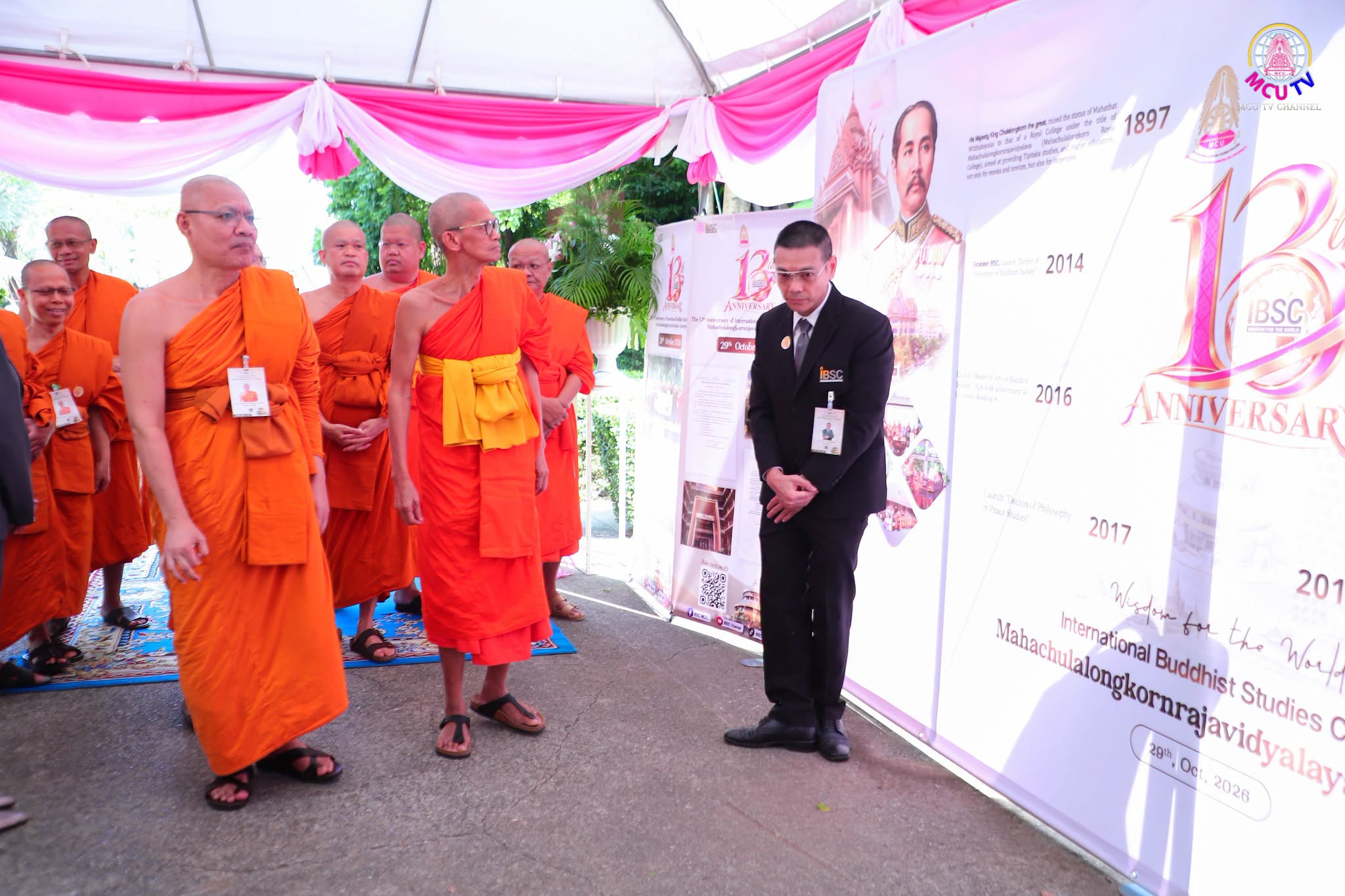
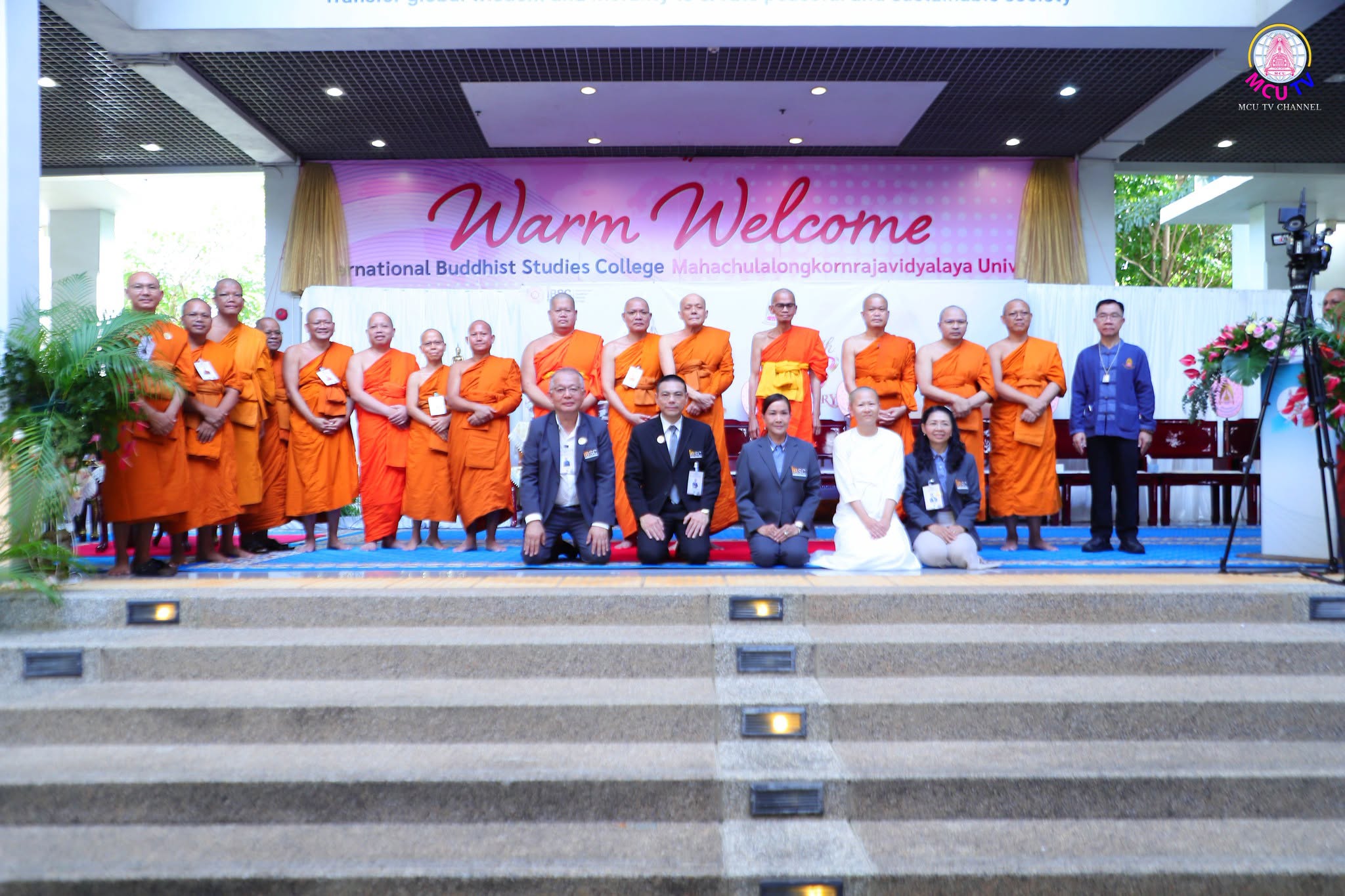
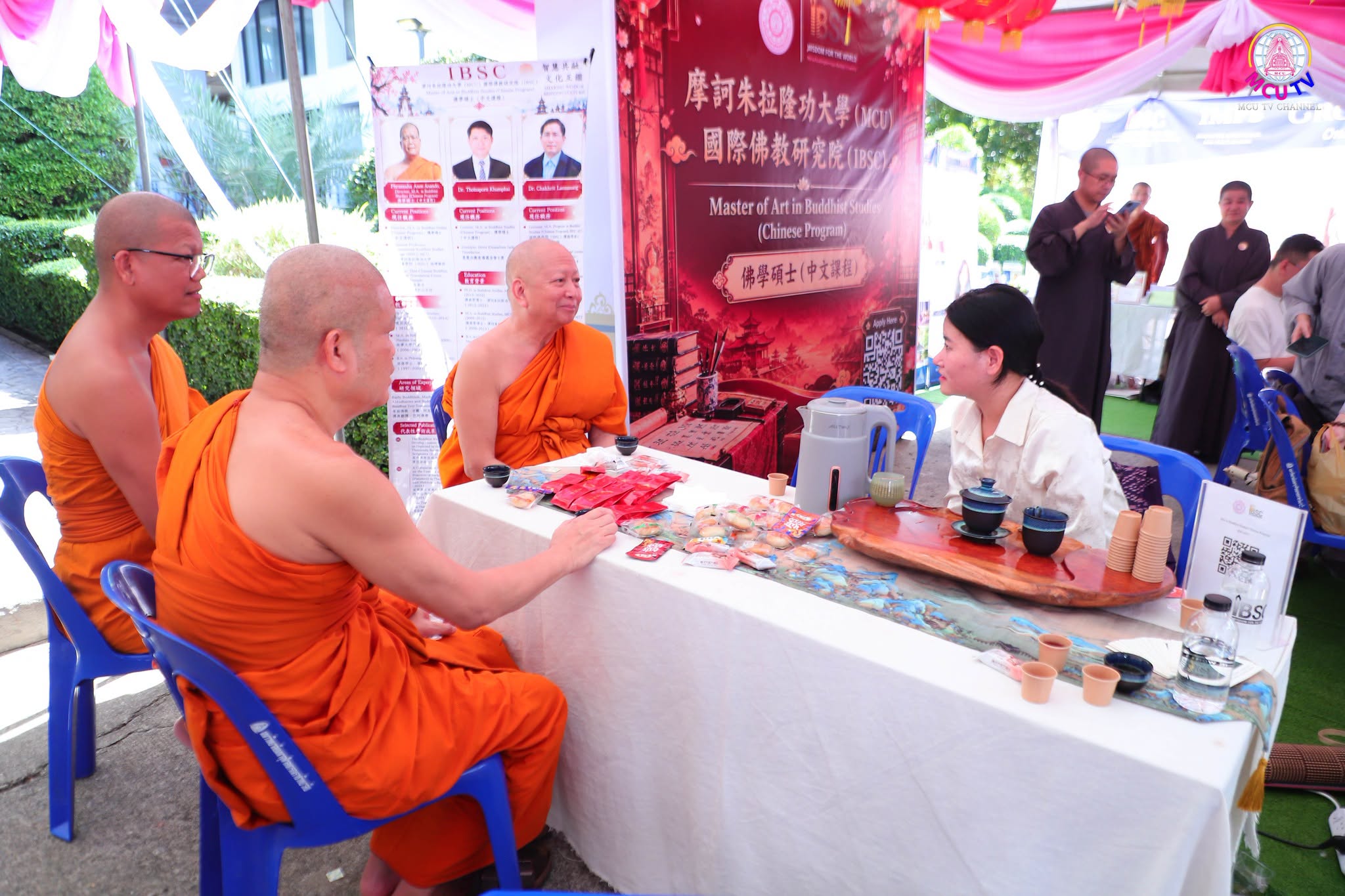
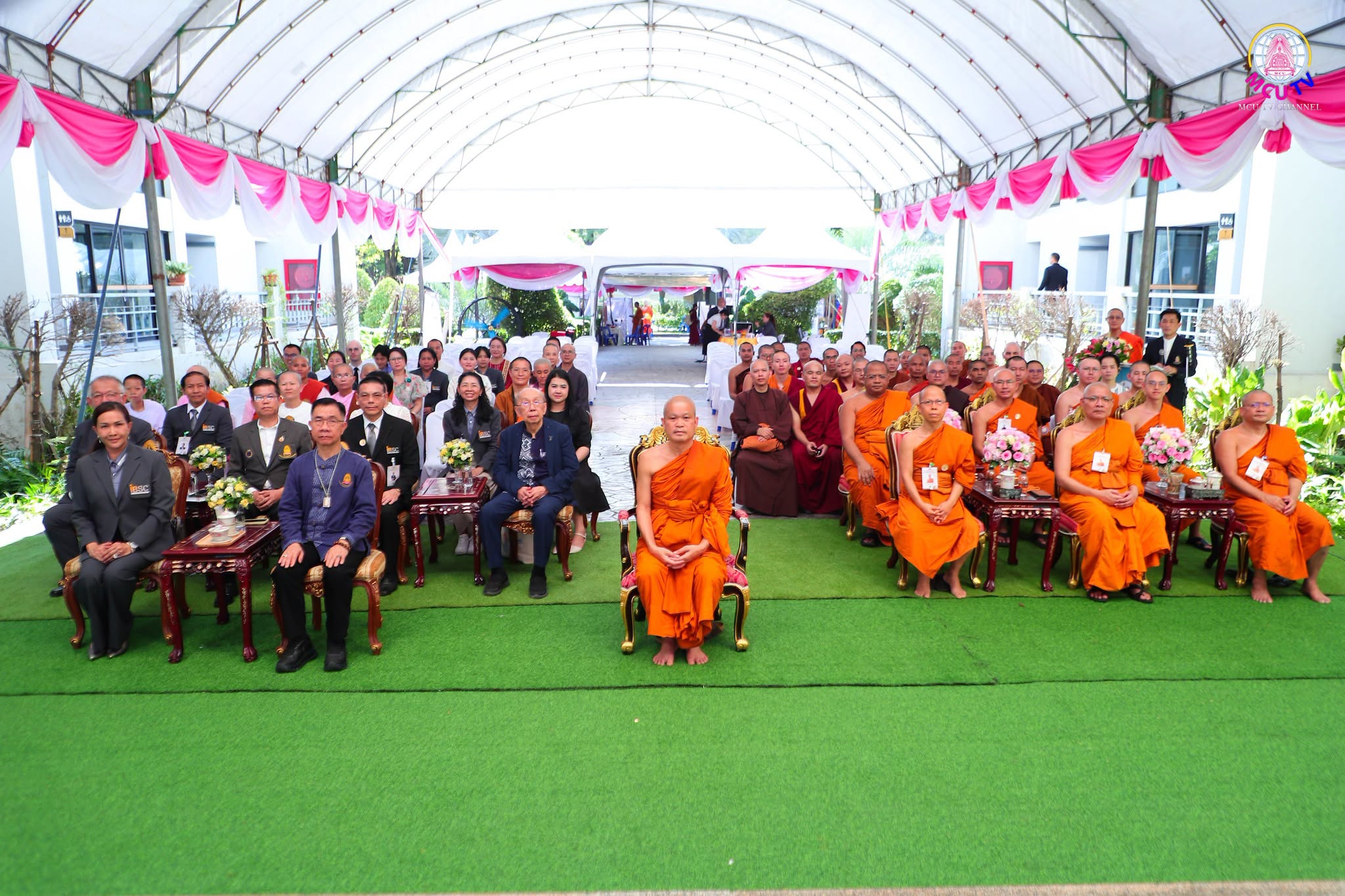
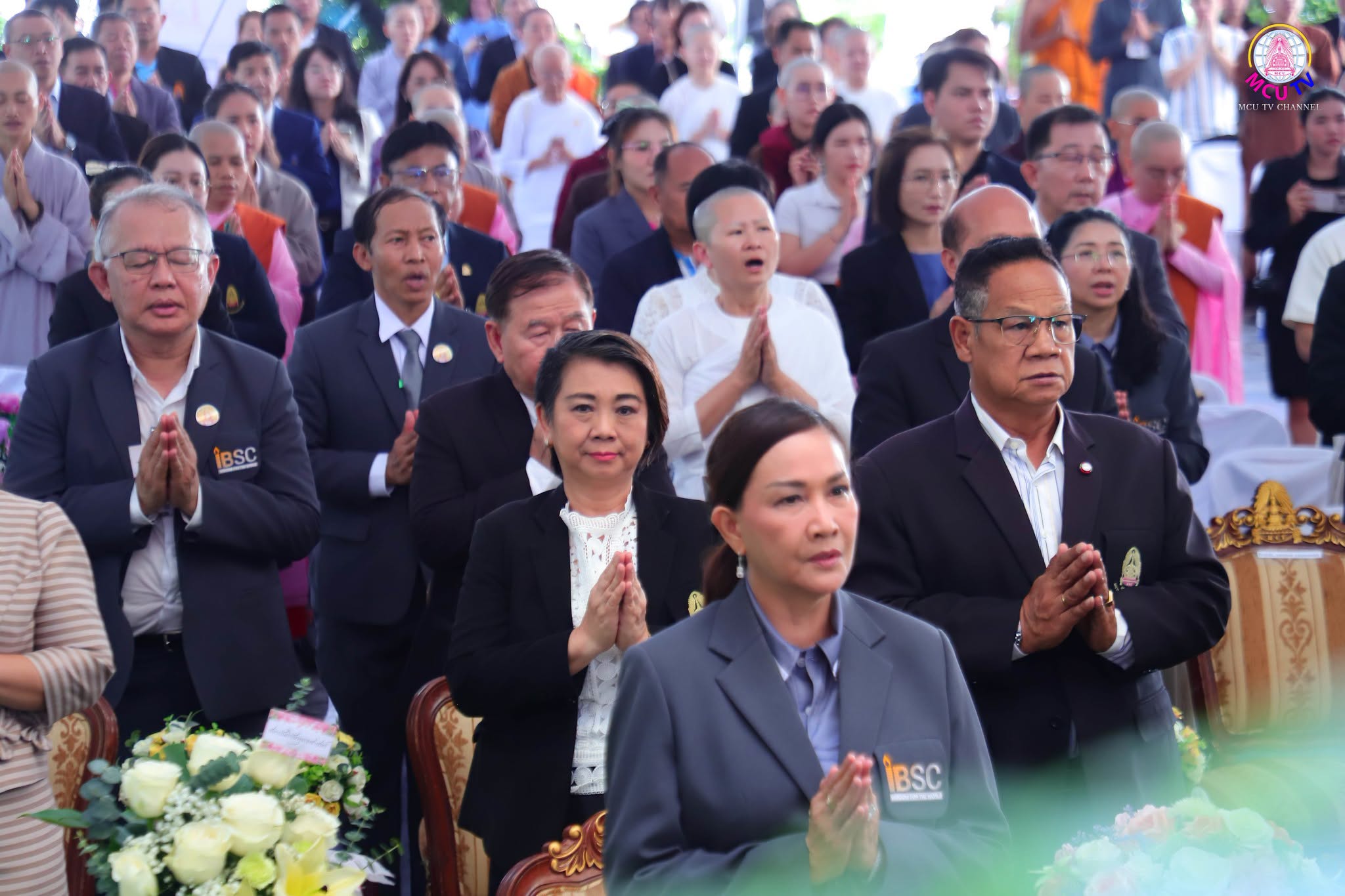
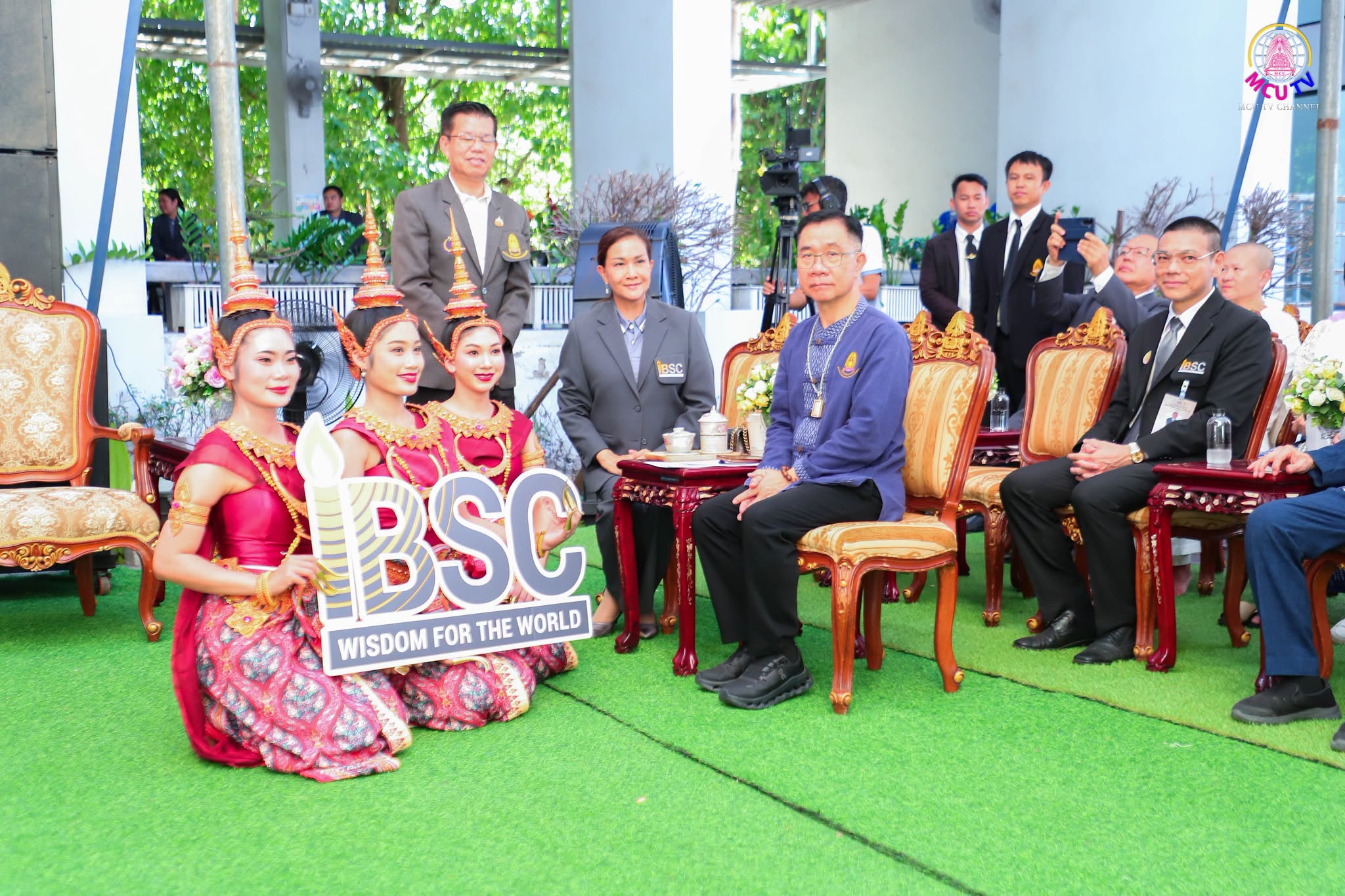
Ayutthaya – 29 October 2026, International Buddhist Studies College (IBSC) of Mahachulalongkornrajavidyalaya University (MCU) hosted a grand celebration to mark its 13th anniversary at MCU Wang Noi, Ayutthaya Province. The event demonstrated the college’s capacity across religious practices, international arts and culture, and academic advancements, with this year's focal point addressing the global challenge of Buddhism’s role in the era of Artificial Intelligence (AI).
Morning Activities: At 07:30 AM, ceremonies were held to pay homage to the replica of Luang Phor Sothon Buddha Statue at 48-Year-Old Crown Prince Maha Vajiralongkorn Auditorium, followed by a floral tribute at the monument of King Chulalongkorn (Rama V) in front of Dr. Yuwaree Euakanchanawilai Building (Tipitaka Museum).
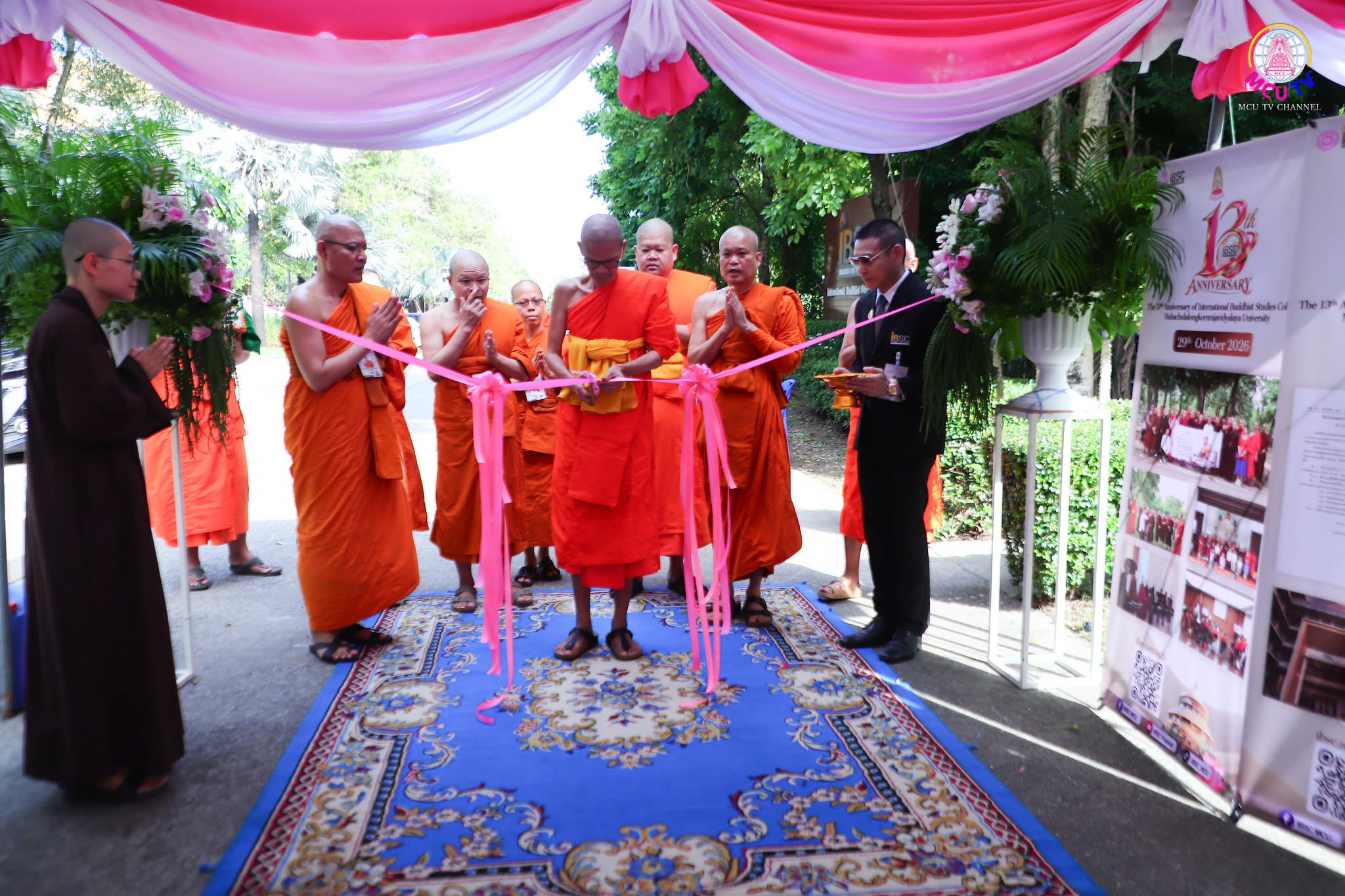
Official Opening Ceremony: At 9:00 AM, the Most Ven. Prof. Dr. Phra Brahmawatcharatheeracharn, Rector of MCU, kindly presided over the opening ceremony and delivered an address highlighting the vision and future milestones of IBSC.
In his remarks, the Rector stated "The International Buddhist Studies College (IBSC) was founded with the objective of propelling MCU to become an international hub for Buddhist education. It received pivotal support from the Bureau of the Budget, which recognized our institutional readiness in terms of personnel and infrastructure. Although the total number of graduates currently stands at approximately 300–400 monks and laypersons, our focus has always been on 'quality'. Since the inception of the International Master of Arts Program (IMAP), the college has produced qualified scholars who have assumed significant leadership roles in Sangha administrations and government sectors across numerous nations. Moving forward, our core mission is to foster collaborative synergies to sustainably fulfill both qualitative and quantitative demands."
The Rector further emphasized: "Regarding Thai graduates, the college aims to nurture scholars excelling in both Buddhist studies and English proficiency. Nevertheless, confidence in foreign language communication remains a challenge for Thai students. Consequently, the university must cultivate incentives, particularly for the new generation of MCU academic personnel by allocating quotas and scholarships in Buddhist Studies and the Humanities. Looking to the future, IBSC bears the grand mission of advancing MCU toward becoming the 'Global Center of Buddhist Education' through three primary objectives as follows:
1. Developing a Credit Bank System via Certificate Programs: Delivering over 50% of coursework online, while restricting on-site requirements solely to practical and meditation (Vipassana) sessions. Concurrently, academic partnerships with overseas affiliated institutes will be expanded to allow students to transfer credits toward degrees in eligible disciplines.
2. Enhancing the Diversity of International Students: While the current international enrollment is satisfactory, recruitment efforts must continue to expand to enrich ethnic and cultural diversity.
3. Elevating International Indicators for Academic Personnel: Although student targets have been reached, there remains a vital demand for faculty members with international expertise, requiring swift development in this sector."
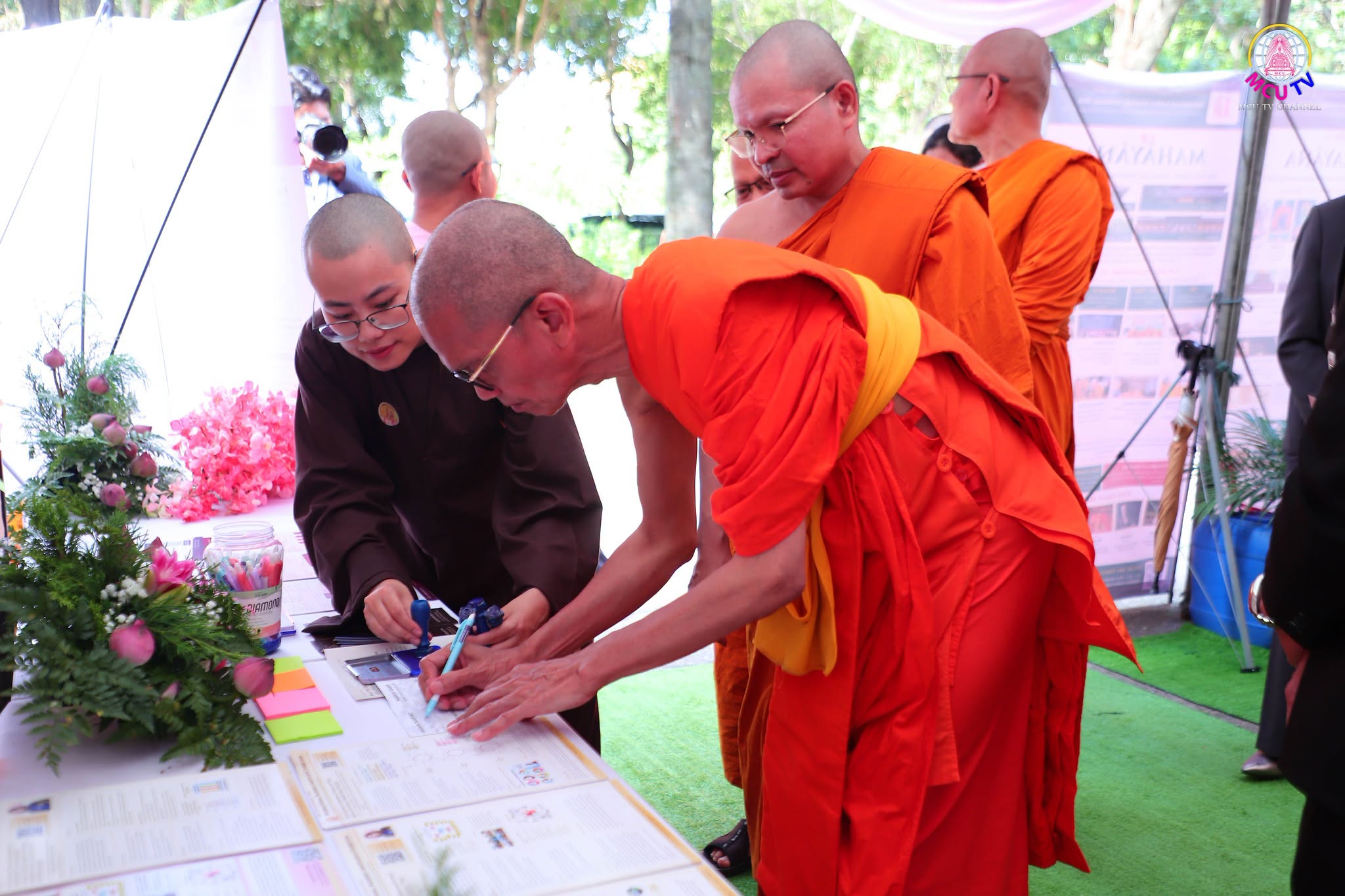
Concluding his address, the Rector highlighted the university’s role in Southeast Asia "We share a common mission across this region, bound by profound historical roots connected to Buddhism. Even in nations that have transitioned to different religious contexts, the Buddhist cultural foundation remains deeply embedded. Transmitting academic knowledge to these countries is an invaluable contribution toward preserving, safeguarding, and continuing the cultural heritage of Buddhism, both in tangible and intangible dimensions, to endure as a global heritage for humanity."
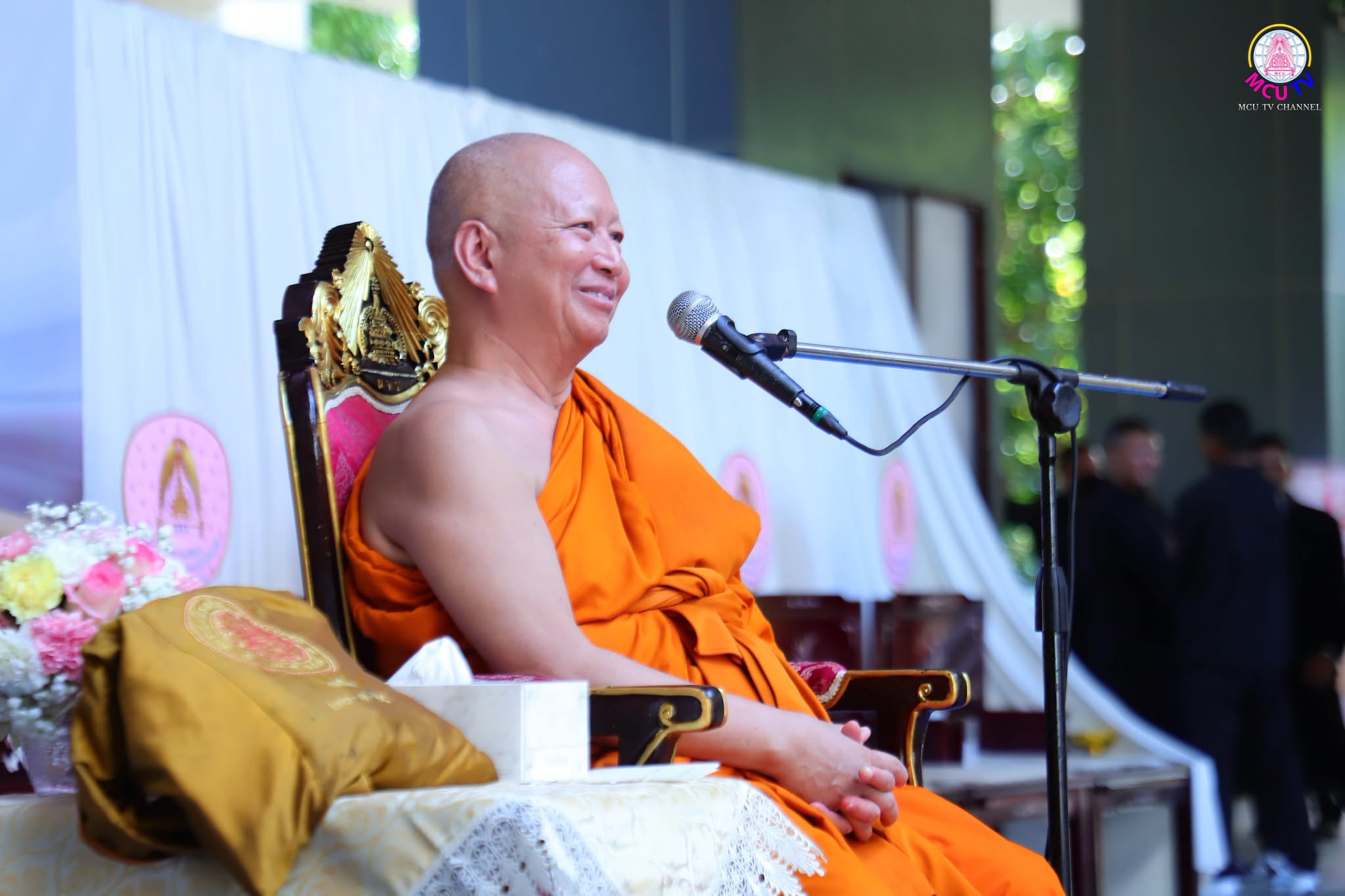
Academic Keynote Lecture: A prominent academic highlight was the keynote lecture delivered by The Most Ven. Prof. Dr. Phra Brahmapundit, Member of Sangha Supreme Council and Vice President of the MCU Council, on the globally debated topic: "Does AI Enhance Educational Potential or Undermine It?"
During the lecture, he addressed the critical intersection between modern technology and ethics:
"Artificial Intelligence (AI) serves as a double-edged sword. On one side, AI breaks traditional boundaries, broadens learning horizons, and fosters extraordinary educational innovations. On the other side, absent ethics, mindfulness, and discernment, AI can turn into an instrument that erodes human dignity and intensifies social disparity. The fundamental duty of Buddhist educational institutions is to build ethical resilience, empowering humanity to wield AI constructively for societal advancement rather than succumbing to its servitude."
Following the lecture, a merit-making ceremony was conducted with 10 high-ranking monks chanting auspicious verses, receiving offerings, and bestowing blessings upon all participants.
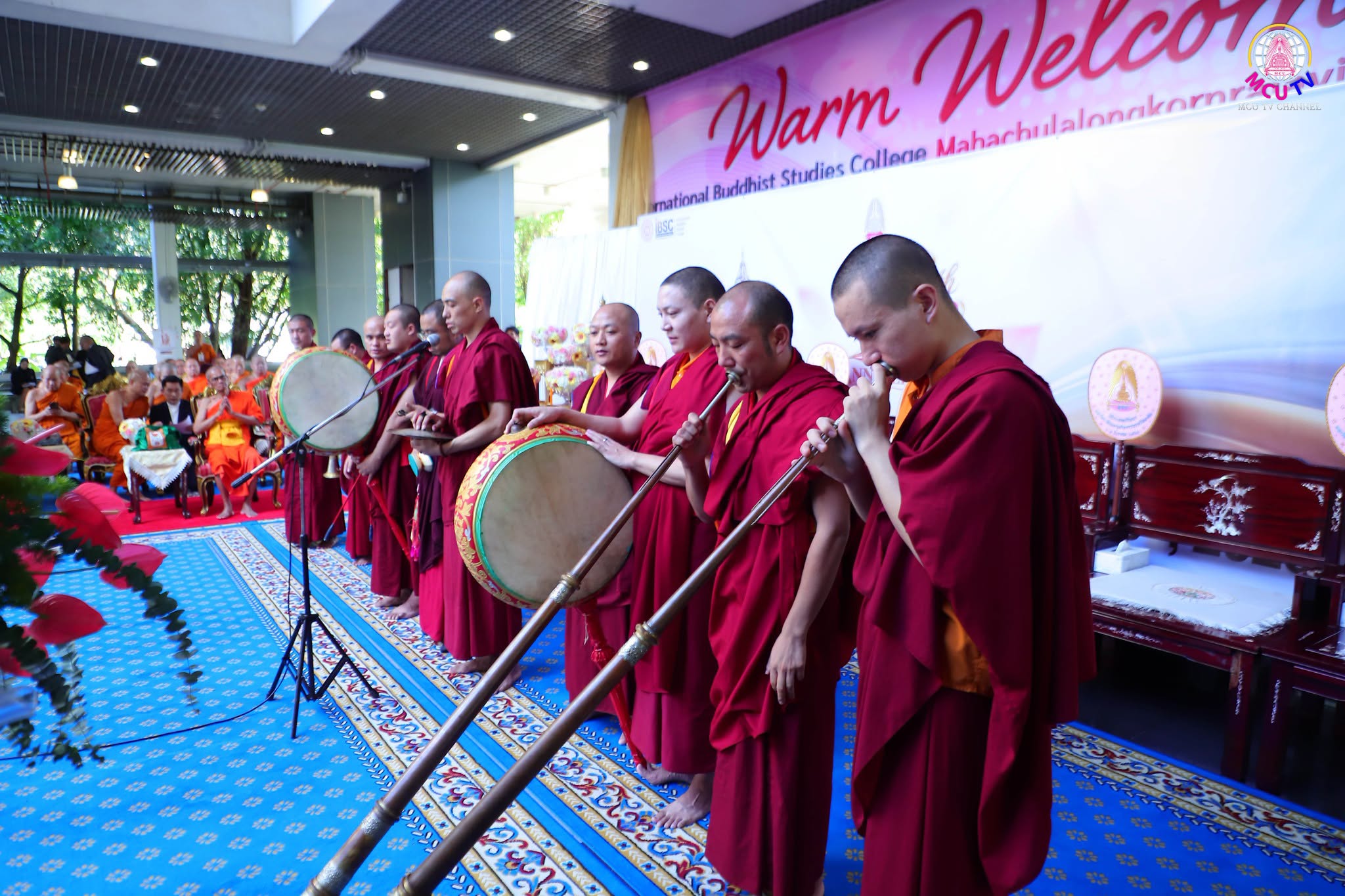
Afternoon Activities: The afternoon session began with international cultural performances presented by IBSC students, followed by a keynote presentation titled "IBSC: Reflecting on the Past and Looking to the Future" by Assoc. Prof. Dr. Surapon Suyaprom, Vice Rector for General Affairs and experts.
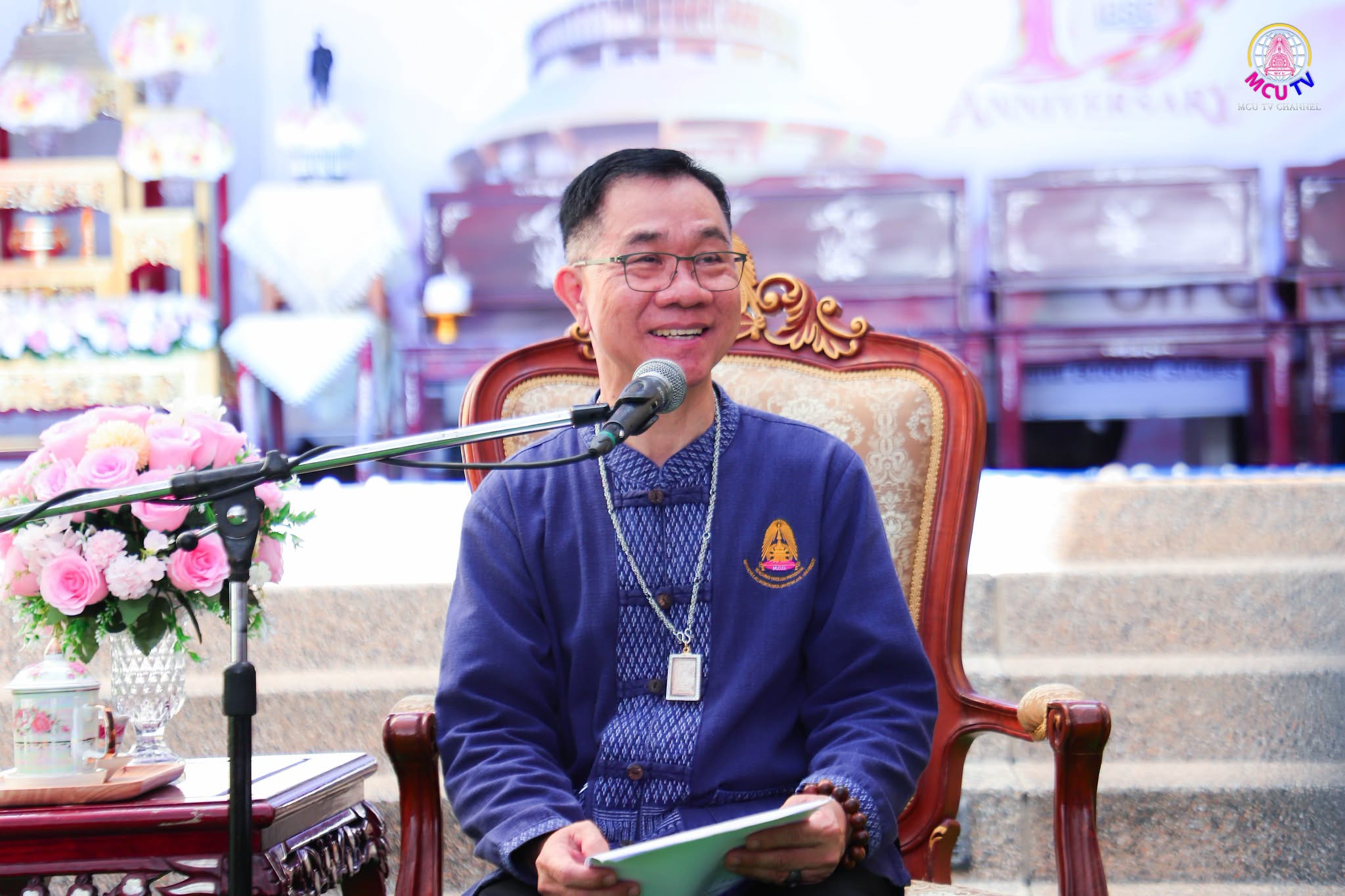
Assoc. Prof. Dr. Surapon recounted the origins and the vital role played by The Most Ven. Prof. Dr. Phra Brahmapundit in establishing the college:
"Reflecting on the birth of IBSC, our educational journey began with the Graduate School’s International Master of Arts Program (IMAP) before expanding internationally. When the United Nations recognized the Day of Vesak as an International Day of Recognition following a proposal by Sri Lanka, it signified humanity's collective reverence for the Buddha’s birth, enlightenment, and passing away. Thailand subsequently hosted the International Celebration on the Occasion of the United Nations Day of Vesak 17 times. During these assemblies, the global Buddhist community resolved to establish Thailand as the World Buddhist Center, designated Phutthamonthon as the Buddhist Center of the World, and chose Mahachulalongkornrajavidyalaya University (MCU) as the Global Center for Buddhist Education to unite Theravada, Mahayana, and Vajrayana traditions. Coinciding with plans to scale IMAP, The Most Ven. Prof. Dr. Phra Brahmapundit embraced this global consensus and presented the proposal to the Royal Thai Government, which subsequently approved the budget to officially establish the International Buddhist Studies College (IBSC MCU)."
Furthermore, the Director’s report presented to the President over the Ceremony outlined that IBSC currently accommodates 496 monastics and lay students, possessing significant potential for further expansion. The college is executing proactive policies across three core dimensions:
1. Developing Dual Degree Programs: Enabling students to pursue dual degrees simultaneously to cultivate interdisciplinary Buddhist scholars capable of meeting digital-era demands and international competitiveness.
2. Establishing a Global Dhammaduta Exchange Network: Expanding beyond standard classroom instruction by creating a worldwide Buddhist missionary exchange network, providing hands-on international propagation platforms for students.
3. Synergizing Academic Collaborations with Affiliated Institutes: Partnering with domestic and international affiliated institutions to broaden educational outreach, exchange knowledge, and reinforce academic networks.
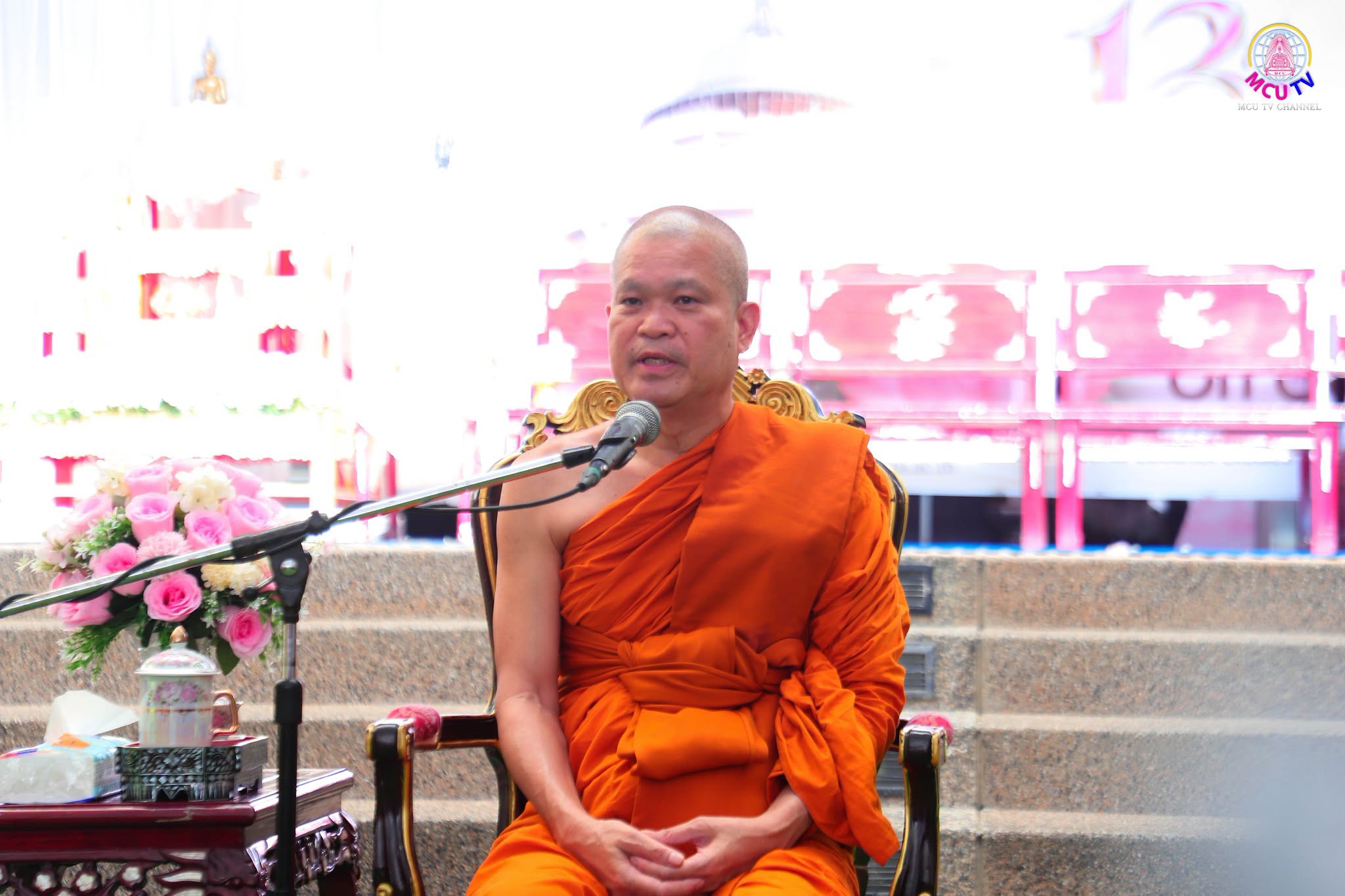
Closing Ceremony: The event concluded with an honorable closing address delivered by Assoc. Prof. Dr. Phra Thepwatcharasarabandit, Vice Rector for Planning and Development and Chairman of the IBSC Administrative Committee (EXCO Board of IBSC), with some of his closing remarks:
"The success of this 13th anniversary celebration reflects the visionary leadership of MCU's International Buddhist Studies College. It serves not merely as an institution for Tipitaka research, but as an academy that tangibly and sustainably bridges timeless Buddhist wisdom with the dynamic forces of modern technology."
- 1
- 2
- 3
- 4
- 5
- 1
- 2
- 3
- 4
- 5
ข่าวที่เกี่ยวข้อง